
Menopause is a natural part of life for women. It is the period marked by the end of menstruation and the start of a new stage of life. However, there is a close link between menopause and insulin resistance too.
What many don’t realize is that the hormonal changes that happen during menopause can increase a woman’s risk of developing insulin resistance.
What is Insulin Resistance?
Insulin resistance is a condition in which the body’s cells become less responsive to insulin. This means the body must produce more insulin to process the same amount of glucose. Insulin resistance can lead to type 2 diabetes, a chronic condition affecting how the body processes glucose.
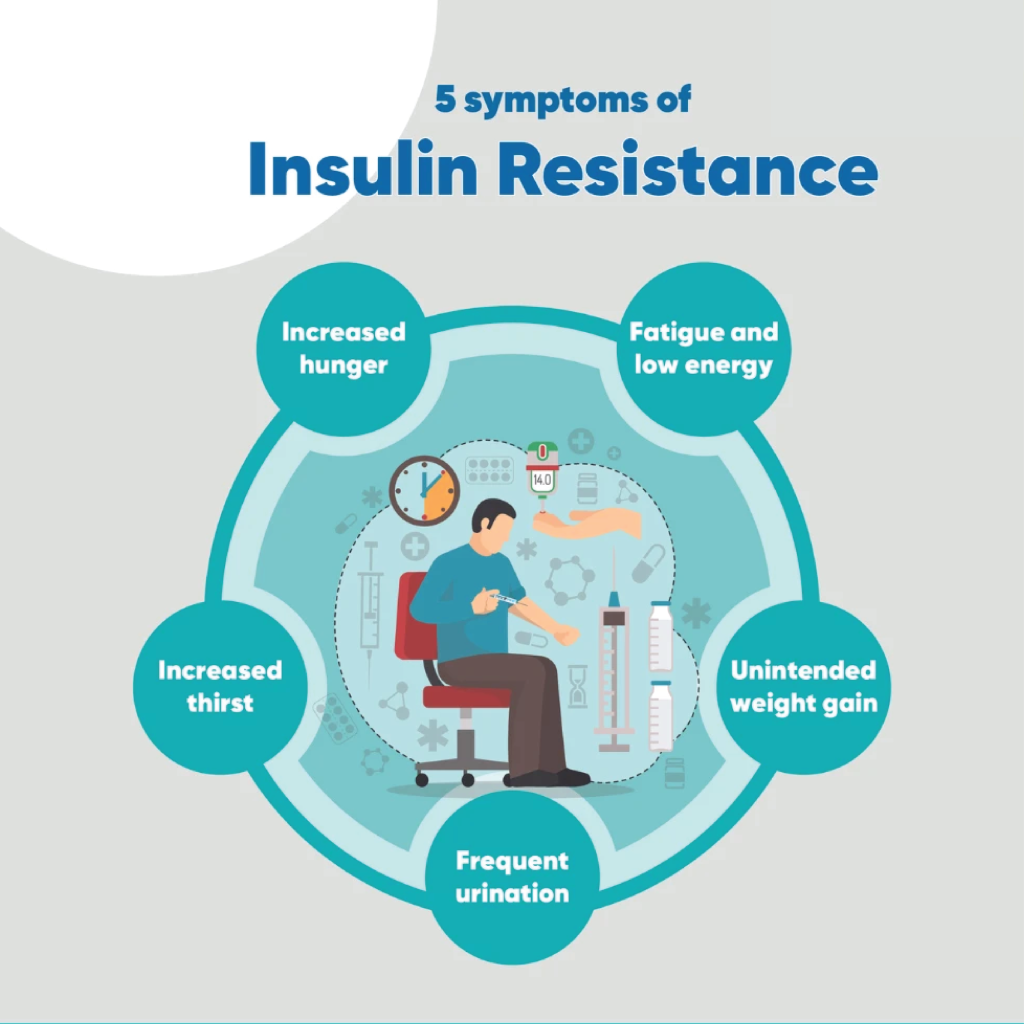
Insulin Resistance Symptoms In Females:
Females mostly show the following Insulin Resistance Symptoms;
- Weight gain especially around the abdomen
- Difficulty losing weight
- Irregular menstrual cycle
- Skin Changes
- Increased hunger and cravings
- Fatigue and low energy levels
- High blood pressure
- Gestational diabetes
- Difficulty with conception
- Polycystic ovary syndrome
- Increased risk of cardiovascular disease
- Increased risk of cardiovascular issues
How Does Menopause Affect Insulin Resistance?
During menopause, women experience a dramatic decrease in estrogen, which is one of the hormones that help regulate insulin levels. This decrease in estrogen can lead to insulin resistance, as the body has to produce more insulin to maintain normal blood sugar levels. In addition, menopause can also lead to an increase in abdominal fat. This abdominal fat is associated with an increased risk of insulin resistance, as it can make it harder for the body to process glucose.
How to Manage Insulin Resistance During Menopause
You can do a few things to help manage insulin resistance during menopause.
- Exercise Regularly:
- Regular physical activity can help improve insulin sensitivity and reduce abdominal fat.
- Eat a healthy diet:
- Eating a diet low in refined carbohydrates and high in whole grains, fruits, and vegetables can help manage insulin resistance.
- Limit alcohol consumption:
- Drinking too much alcohol can lead to an increase in abdominal fat, which can increase your risk of insulin resistance.
- Get enough sleep:
- Poor sleep can increase your risk of insulin resistance.
- Take insulin-sensitizing medications:
- Your doctor may prescribe medications that can help improve insulin sensitivity.
Insulin Resistance Diet:
Focus on the following key points for Insulin resistance;
- Balanced macronutrient diet
- Healthy fats
- Focus on whole, unprocessed food
- Moderate regular meals
- Prioritize lean protein
- Limit added sugars and sweeteners
- Watch your portion size
- Hydration matters
- Regular physical activity matters
The Insulin Resistance Diet is a lifestyle approach that goes beyond weight management—it’s about restoring your body’s ability to regulate blood sugar effectively. By making mindful choices in your dietary habits, you can take significant strides toward reversing insulin resistance, promoting metabolic health, and enhancing overall vitality. Remember, small changes can lead to profound improvements, setting the stage for a healthier, more balanced life
How I Cured My Insulin Resistance:
Being a healthcare professional, I can offer a general insight. Curing or managing Insulin Resistance often involves lifestyle changes. Following are some steps that helped me and can help you to cure Insulin Resistance;
- Adopt a healthy diet rich in whole, unprocessed foods including vegetables, fruits, whole grains, lean proteins, and healthy fats
- Engage in regular physical activity including both aerobic exercises and strength training.
- Maintain a healthy weight through a combination of regular exercise and healthy eating.
- Stay well hydrated
- Manage stress levels. Chronic stress can affect insulin sensitivity
- In some cases, medication is also required to manage Insulin sensitivity.
Conclusion
Menopause can increase the risk of insulin resistance due to the hormonal changes that occur. It is important to take steps to manage insulin resistance during menopause, such as exercising regularly, eating a healthy diet, limiting alcohol consumption, getting enough sleep, and taking insulin-sensitizing medications. By managing insulin resistance during menopause, you can reduce your risk of developing type 2 diabetes.
